
Molecular biology testing: Gene sequencing
Hanoi Oncology Hospital
- A place to put faith and hope!1. OVERVIEW
What is gene sequencing ?
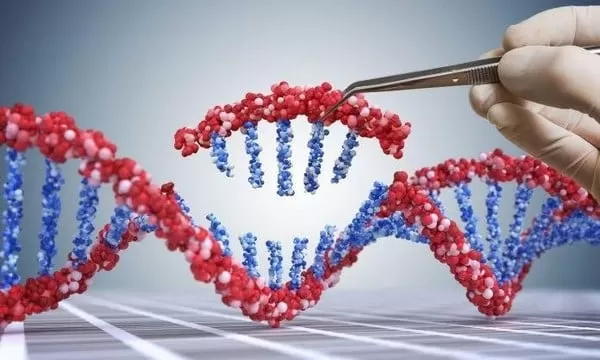
Genome sequencing is the process of determining the order of the nucleotides adenine (A), thymine (T), guanine (G) and cytosine (C) throughout the organism's genome. Humans have about 3 billion nucleotide pairs, so reading through this "book of life" used to be a mammoth task. In the 1970s, scientist Frederick Sanger developed sequencing using polymerase enzymes. This is a landmark technology and is used in the Human Genome Project. However, the traditional Sanger gene sequencing method (1st generation) only reads short fragments and takes many years. New generation sequencing (NGS) technologies introduced around 2005 have completely changed the situation: millions of DNA fragments are sequenced in parallel simultaneously. NGS helps decode human DNA/RNA in a few days and can simultaneously detect single nucleotide changes, insertion-deletion mutations, copy number changes and gene rearrangements.