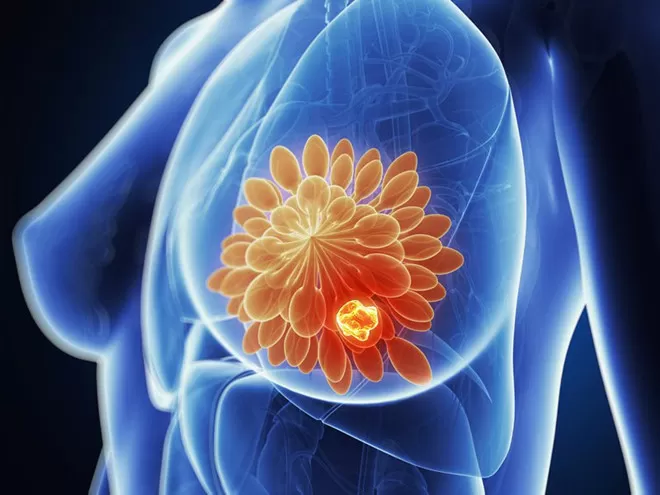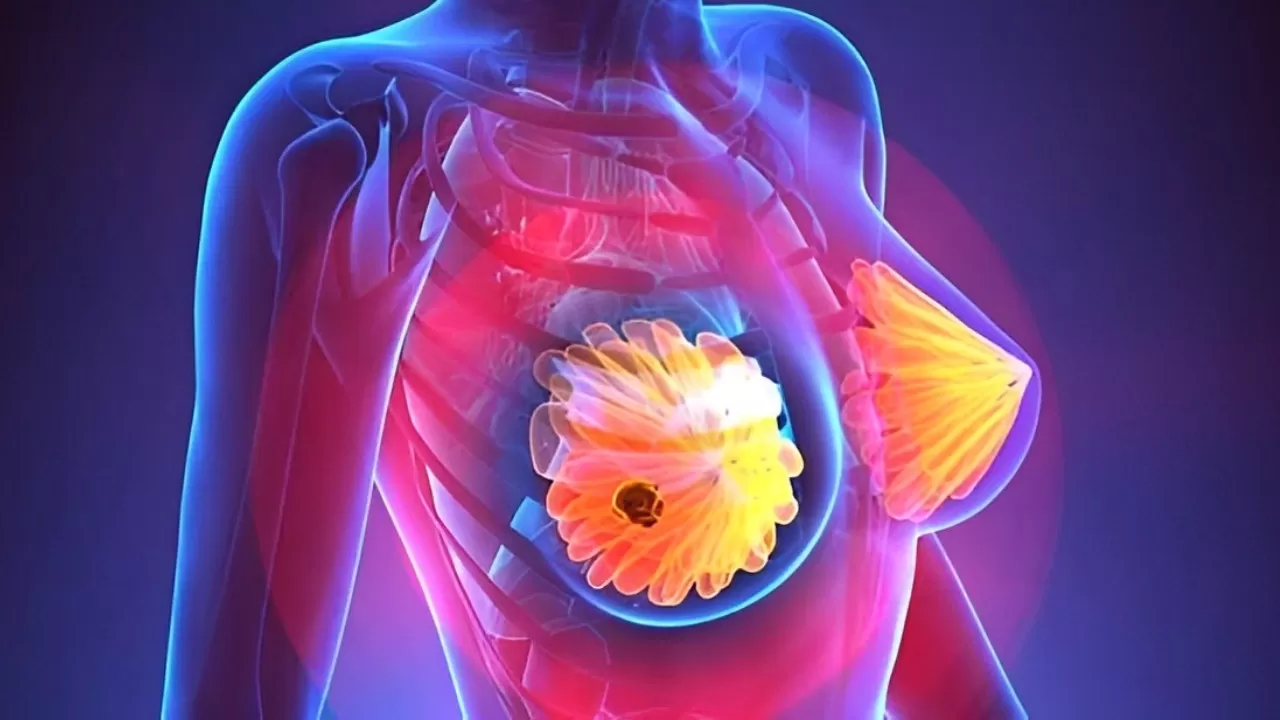

In clinical practice, the choice of surgical method is individualized, based on many factors such as tumor size and location, type Breast size and shape, degree of defect after lumpectomy, as well as the patient's specific wishes and conditions. Depending on each case, patients may be prescribed different cosmetic methods to achieve an optimal balance between cancer treatment effectiveness and aesthetic results.
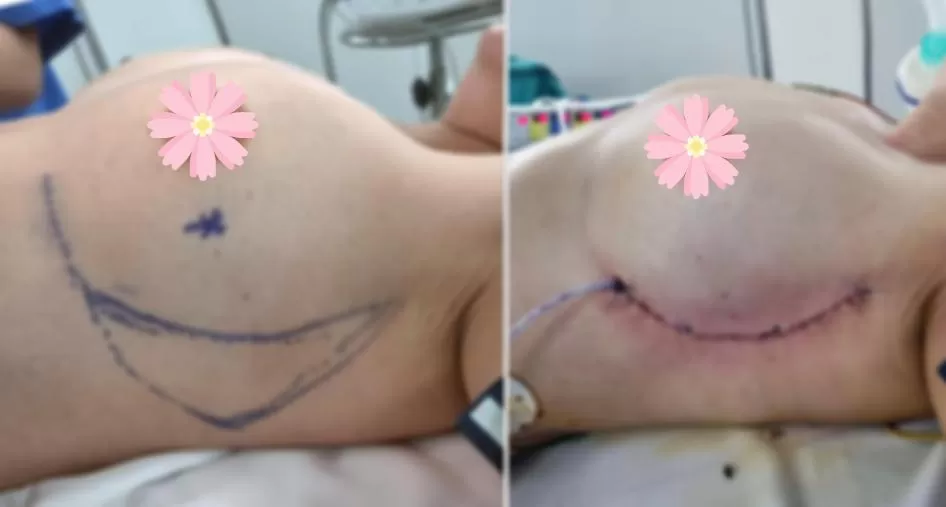
Images of breast cancer patients before and after LICAP flap surgery
Reconstruction techniques using autologous tissue, including local flaps such as the LICAP (Lateral Intercostal Artery Perforator) flap flap), is one of many options applicable in appropriate circumstances. The LICAP flap uses skin - fat tissue based on the branches of the lateral intercostal artery, which can be rotated to cover the defect after conservative surgery, helping to maintain the fullness and natural curve of the breast. This is a non-microsurgical technique that does not require anastomosis under a microscope, but still ensures a stable blood supply and durable plastic results.
In general, in current breast cancer treatment, breast reconstruction has many different methods, including reconstruction with autologous tissue, using Use artificial materials such as silicone implants, or combine techniques depending on the case. Each method has its own advantages and indications, selected based on breast anatomy, adjuvant treatment plan, as well as the patient's wishes and conditions. In particular, autologous tissue reconstruction techniques provide a soft, natural feel and good adaptability in some cases requiring post-operative radiotherapy.
The routine implementation of modern breast conservation and reconstruction surgical techniques demonstrates the efforts of Hanoi Oncology Hospital in updating, mastering and applying medical advances into clinical practice, aiming at the goal of treating breast cancer in a comprehensive way: completely oncologically, while preserving the body and improving the quality of life for patients.